The Houses

The houses are the areas of life and environments in which we find ourselves. Originally called ‘the places’. Environmental experiences. The ‘where’ of what is occurring. The terrain in which you navigate.

An empty house does not mean there is a lack of activity but the absence of a serious problem in that area of life. With no planets in a house there is a potential for more freedom of movement in those areas of life. Where planets land, it is more of a calling as to what needs to be worked on in this lifetime.

The houses are your anchor and your foundation when reading a chart. The planets and zodiac are in constant flux, but the houses are fixed in position. The 1st house will always be roughly at the 9 o’clock position, 7th house at the 3 o’clock position and so forth. The houses help us to navigate an astrological chart. The type of house system you use is a different story, but the foundation is the same across all astrological traditions.

Now, let’s get into what the houses or places are representative of:


1st House – House of Self/Personality

Type: Angular
Area of Life: Personal appearance, mannerisms, and disposition. Persona. The armor worn. The mask you wear. The window through which you view life. Physical body. First Impressions.

2nd House – House of Personal Resources

Type: Succedent
Area of Life: Personal property, resources, money, possessions. Peace of mind. Moral values. Self worth. Earning and spending capacity. Income. Assets.

3rd House – House of Communication

Type: Cadent
Area of Life: Ability to relate to immediate environment. What you think. Commerce. Dexterity. Short journeys. Early education. Siblings cousins, and neighbors. Writing, news, rumors, communication. Memory. Innate skill sets.

4th House – House of Home

Type: Angular
Area of Life: Home life, inner world. Hidden depths of the self. The nature of one’s residence. Maternal figures. Unconscious underpinnings of the personality. Early family life. Roots/Lineage. Domestic Life. Private Life.

5th House – House of Children

Type: Succedent
Area of Life: Self-expression. Creativity. Love affairs. Children you create (be it actual children, or art, books you write, etc.) Affections you display, anything that bears your personal stamp. Tendencies coming from the heart. House of hidden karma. Pleasure. Romance. Sex.

6th House – House of Service & Routine

Type: Cadent
Area of Life: House of work and health. Food, clothing, shelter, and domestic pets. Routine. It potrays one’s capacity to serve. Working conditions. Wellness/Illness.

7th House – House of Marriage

Type: Angular
Area of Life: The other. The not-self. Committed relationship. The ‘we’ consciousness. Parternships and marriage. Cooperation. Lower courts and Close friends. Open adversaries. Relationships.

8th House – House of Death

Type: Succedent
Area of Life: Generation, sex, death, other people’s resources, inheritances, occultism, legacies, financial conditions of the other. Debt. Taxes. Shared Resources. Psyche.

9th House – House of Long Journeys

Type: Cadent
Area of Life: Super-consciousness. Religious philosophy. Spiritual visions. Long Journeys. Expansions of horizons. House of Spirit. Worldwide contacts. higher education. In-laws. Study. Faith.

10th House – House of Career

Type: Angular
Area of Life: Prestige, honor, accolades,. Professional career, reputation. Father, Employers. Authority. Fame. Public Life. Profession.

11th House – House of Friends

Type: Succedent
Area of Life: Friends and acquaintances. Groups. Community. Goals and objectives. Social relationships. Hopes and Wishes. Good Spirit. Projects. hopes, wishes.

12th House – House of Ancestors

Type: Cadent
Area of Life: Ancestors. That which is Hidden. Self-Undoing. Initiation. Subconsciousness. Mystical experiences. Service or Suffering a choice must be made. Charity. Karma. Hospitals and institutions. Hidden enemies. Retreat. Escape. Release. Subconsciousness.


Learning Tip:

I find an easy way to learn the houses is by learning them in pairs of opposites.

1st house is the house of self, across the way is the 7th house the house of the other. Relationship with the self versus the Relationship with the other.

2nd house is house of personal resources versus 8th house of shared resources.

3rd house is short journey and rudimentary education versus 9th house long journeys and higher education.

4th house is private/domestic life and mother versus 10th house public/career life and father.

5th house is of children and creativity versus 11th house friends and commitments.

6th house is of work and routine versus 12th house of retreat and escape.

Zodiac Signs

Now we get into familiar territory, the zodiac signs. I feel like these archetypes have been beaten to death. But they are one of the staples of the astrological language. These are the lenses, the descriptors, the filters, the adjectives that describe how the planets are expressing themselves. Some planets do better expressing themselves in certain signs and not as well in others, this is the concept of essential dignities.

The stories and myths have always been with the stars. Zodiac signs are based off the star constellations, more or less, and thus astrologer’s noticed how a planet expresses itself moving through that part of the sky. Think of the planet as a performer on stage, the zodiac sign would then be the backdrop of the stage, providing an ambiance to the performance. For example, Venus is in detriment in the sign of Aries. If Venus is all about love and harmony, you may sense pastel colors, the smell of roses or baked goods when you think of her. But in a sign like Aries, Venus would have a hard time sending her message accordingly, especially if she is dress like Xena the warrior princess and the backdrop looks like the aftermath of a Spartan battle. Venus is still innately Venus, but the demeanor shifts a bit.

Syntax: The planets are always in the sign. Mercury is in Aries. Because we have the function/noun (planet) in expression (sign). For example, Mercury (intellect) in Aries (fiery and forceful). Thus an astrology article may say, “Today, your ideas (Mercury) are firing on all cylinders (Aries), go for it”.

Now that we have that out the way, let’s get into a quick cookbook-look at some general descriptors for the signs. Negative, neutral, and positive qualities will be provided. This is not an extensive listโ€” just a word drop soup of typical keywords. This is just a jumping off point, a reference. Remember, you are not just your Sun sign, you are so much deeper!


Aries โ€“ The Ram

General Descriptors: Thrust of Life. Utilitarian. Libertarian. Honest. Direct. Vigor. Gusto. Ventures. Pioneering. Leader. Functions well in crisis. Enjoys a challenge. Impulsive. Violent. Insensitive. Selfish. Prone to rage. Impatient. Hard-headed. No lack of effort. Ambition. Pantomime. Skeptic.

Keyword: I AM
Body Part: The head
Planetary ruler: Mars
Modality: Cardinal
Element: Fire
Nature: Assertive

Related Tarot Cards: The Emperor, Queen of Wands, 2 of wands, 3 of wands, & 4 of wands.


Taurus โ€“ The Bull

General Descriptors: Sensuous. Patient. Steady. Charming, Earnest. Steadfast. Naturalist. Resourceful. Generous. Contemplative. Common sense. Loyalty. Practical. Preserves tradition. Materialist. “Sees red”. Tunnel vision. Rigidity. Procrastination. Dogmatic. Poetic. Feels the Music. Spectator. Fruitfulness.

Keyword: I HAVE
Body Part: Throat
Planetary ruler: Venus
Modality: Fixed
Element: Earth
Nature: Receptive
Related Tarot Cards: Hierophant, King/Prince of Pentacles, 5 of pentacles,6 of pentacles, & 7 of pentacles.


Gemini โ€“ The Twins

General Descriptors: Communication. Quick. Witty. Language Lovers. Skills with words. Logical. Duality. Inquisitive. Cunning. Versatile. Intelligent. Multitask. Exchange. Alertness. Quick-sharp thinking. Disorganized. Inconsistent. Chattering. Scatter-brain. Stress. Anxiety. Nervousness. Overthinking. Restlessness. Articulate.

Keyword: I THINK
Body Part: Nervous system, hands, shoulders, lungs
Planetary ruler: Mercury
Modality: Mutable
Element: Air
Nature: Neutral
Related Tarot Cards: Lovers, Knight of Swords, 8 of swords, 9 of swords, & 10 of swords.


Cancer โ€“ The Crab

General Descriptors: Protective. Nurturing. Home-loving. Connection. Compassion. Wears heart on sleeve. Empathy. Intuitive. Graspy or Clingy. Eagerness. Suspicious. Caretakers. Apathy. Sense of invisibility. Persuasive. Stays within comfort zone. Cautious. Sympathic. Moody. Emotional.

Keyword: I FEEL
Body Part: Breasts and stomach
Planetary ruler: Moon
Modality: Cardinal
Element: Water
Nature: Receptive
Related Tarot Cards: Chariot, Queen of Cups, 2 of cups, 3 of cups, & 4 of cups.


Leo โ€“ The Lion

General Descriptors: Inspiring. Dramatic. Creative. Courageous. Prideful. Cheerful. Out-going. Stage presence. Over-dramatic. Over-bearing. Can put on a show. Benevolent disposition. Warm-hearted. Enthusiastic. Faithful. Pompous. Patronizing. Interfering. Broad-minded. Dynamic.

Keyword: I WILL
Body Part: The Heart
Planetary ruler: Sun
Modality: Fixed
Element: Fire
Nature: Assertive
Related Tarot Cards: Strength, King/Prince of wands, 5 of wands, 6 of wands, & 7 of wands.


Virgo โ€“ The Virgin

General Descriptors: Analytical. Discriminating. Capable. Clarity. Reason. Self-discipline. Tunnel-vision. Criticism. Fussy. Detail-oriented. Statisticians. Calculating. Purity motifs. Hygiene consciousness. Modest. Meticulous. Diligent. Over-critical. Conservative. Reliable. Carping.

Keyword: I ANALYZE
Body Part: Intestines
Planetary ruler: Mercury
Modality: Mutable
Element: Earth
Nature: Receptive
Related Tarot Cards: The Hermit, Knight of pentacles, 8 of pentacles ,9 of pentacles , and 10 of pentacles.


Libra – The Scales

General Descriptors: Refined. Persuasive. Diplomatic. Romantic. Charming. Easy-going. Idealistic. Peaceable. Gullible. Flirtatious. Harmoniously. Resentful. Sympathetic. Co-dependency. Insincerity. Indecisiveness. Truce. Fairness.

Keyword: WE BALANCE
Body Part: Kidneys
Planetary ruler: Venus
Modality: Cardinal
Element: Air
Nature: Assertive
Related Tarot Cards: Justice, Queen of swords, 2 of swords, 3 of swords, & 4 of swords.


Scorpio – The Scorpion


General Descriptors: Doers. Realistic. Fearless. Probing, Perceptive. Intense. Hidden Motives. Impatient. Synthesis. Magnetic. Compulsive. Secretive. Obstinate. Passionate. Jealous. Penetrating. Emotional Intelligence. Transformative.

Keyword: I CREATE
Body Part: Reproductive organs
Planetary ruler: Mars (classic), Pluto (modern)
Modality: Fixed
Element: Water
Nature: Receptive
Related Tarot Cards: Death, King/Prince of cups, 5 of cups ,6 of cups ,7 of cups.


Sagittarius โ€“ The Archer


General Descriptors: Philosophical. Adventurous. Scholarly. Social Climber. Freedom-loving. Jovial. Honest. Optimistic. Careless. Irresponsible. Tactless. Offhandedly. Exploratory. Travel. Alchemy. Ambitious. Friendly. Tempering. Precision.

Keyword: I PERCEIVE or I SEEK
Body Part: Hips and Thighs
Planetary ruler: Jupiter
Modality: Mutable
Element: Fire
Nature: Assertive
Related Tarot Cards: Temperance/Art, Knight of wands, 8 of wands, 9 of wands, & 10 of wands.


Capricorn – The Goat


General Descriptors: Ambitious. Resourceful. Pragmatic. Blase’. Boldness. Compensatory. Persistent. Prudent. Disciplined. Patient. Careful. Reserved. Humorous. Pessimistic. Fatalistic. Miserly. Grudging. Over-conventional. Rigid. Aspiring. Calculating. Power.

Keyword: I USE
Body Part: Knees and bone structure of the body
Planetary ruler: Saturn
Modality: Cardinal
Element: Earth
Nature: Receptive
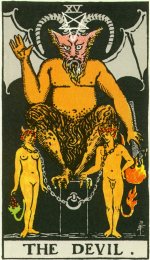
Related Tarot Cards: Devil, Queen of Pentacles, 2 of pentacles, 3 of pentacles, & 4 of pentacles.


Aquarius – Airwaves


General Descriptors: Friendly. Unconventional. Humanitarian. Honest. Loyal. Original. Inventive. Intellectual. Contrary. Perverse. Unpredictable. Detached. Independent. Hopeful. Revolutionary.

Keyword: I KNOW
Body Part: Ankles and Circulation in the body
Planetary ruler: Saturn (classic), Uranus (modern)
Modality: Fixed
Element: Air
Nature: Assertive
Related Tarot Cards: Star, King/Prince of swords, 5 of swords, 6 of swords, & 7 of swords.


Pisces โ€“ The Fishes

General Descriptors: Artistic. Intuitive. Compassionate. Idealist. Visionaries. Romantics. Dreamers. Empathetic. Sensitive. Imaginative. Kind. Selfless. Unworldly. Sympathetic. Secretive. Vague. Impressionable. Nebulously. Deceitfully. Faith. Mystical.

Keyword: I BELIEVE
Body Part: the Feet
Planetary ruler: Jupiter (classic), Neptune (modern)
Modality: Mutable
Element: Water
Nature: Receptive
Related Tarot Cards: The Moon, Knight of cups, 8 of cups, 9 of cups, & 10 of cups.


Top 9 Astrology Books for Beginners

I have had a lot of people ask me where to start if they want to get into astrology. I canโ€™t even recall how many times I have recommended the same books. They arenโ€™t in any particular order because they are all very well done. Even as a practicing astrologer, I will still reference these. I feel they all provide a firm foundation of information along with a bit of guidance and activities to apply, process, and retain the information.

Astrology: A Cosmic Science

Author: Isabel Hickey. This is a solid reference book. She covers all the basics, planets, signs, symbols, zodiac, houses, aspects, etc. She includes a table for essential dignities- to tell the strength or weakness of a planetary placement. She also has interpretations/delineations for planets-in-sign, planets-in-house, and aspects.  She briefly touches on birth chart calculations, transits, and progressions. I mean she even writes about decanates. Overall, a great place to get a taste of the astrological landscape. Availability: Paperback, Kindle (e-Book)


The Inner Sky

Author: Steven Forrest. Learning astrology is like learning another language. This book takes you on journey on the syntax of astrology. This is NOT a boring or dry read, but it is a relatively easy entry point towards understanding. I find it packs a punch, he has a way of simplifying the basics and guides the way to constructing your own astrological sentences. It is well structured and methodical without being dense. How do astrologers create their interpretations/delineations? Planets in signs and houses. Aspects, rulerships (essential dignities), and the moonโ€™s nodes. This book explains it, mystery solved! Availability: Paperback, Kindle (e-Book)


The Essential Guide to Practical Astrology

Author: April Elliott Kent. This book has a delightful modern voice. She has a simple and fun way of expanding on the basics and introduces you to additional concepts that might feel โ€œover your headโ€. In addition to the traditional basics, she touches on concepts such as house systems, asteroids, non-planets, orbs, and retrogrades. There are guidelines for making daily, monthly, yearly, and long-range planners to apply to your personal goals. She covers astrological syntax, transits, solar arc progressions, and much more. This book really does have the essentials and is practical for applying the information. Availability: Paperback, Kindle (e-Book)


Astrology for Yourself

Authors: Douglas Bloch and Demetra George. This is an introduction to astrology via workbook style. This book will help you to understand your natal chart. If you are ready to put in the work, this is an excellent starting point. They provide a step-by-step approach and assist you with creating your own interpretations. There is space to journal in for your reflections and insights, so you may prefer the physical copy. Availability: Paperback, Kindle (e-Book)


Astrology and the Authentic Self

Author: Demetra George. After you are comfortable with the syntax and knowledge of the basics. This book will introduce you to her techniques and model approach. She outlines traditional astrology guidelines while approaching it in a modern way. It covers concepts such as determining the condition of a planet, relationships, vocation, and secondary progression. There is a section on how to delivery the information in a professional and concise way via astrological counseling. My copy of this book well worn. Availability: Paperback, Kindle (e-Book)


The American Ephemeris

Authors: Neil F. Michelsen and Rique Pottenger Reference book. While there are plenty of online or digital ephermisโ€™ available. There is something so intimate about looking through and working with a physical copy. This is a book of tables, that show you where the the planets are each day, and at what degree. This includes information for eclipses, new moon, and full moon. If you want to know your astrological weather, this is youโ€™re number one resource! Availability: Paperback Only


Hellenistic Astrology: The Study of Fate and Fortune

Author: Chris Brennan. This book is a great introduction to the practice and philosophy of Hellenistic astrology. He provides techniques with a very clear and concise structure to take in and apply. There are a lot of footnotes and resources to which I appreciate because you can always dig deeper yourself. There are basic, intermediary, and advanced techniques presented in this book such as, annual profections and zodiacal releasing. This is definitely a good one to add to your personal library. While the book is large, it is an essential for those who want to understand some astrological history. Availability: Paperback Only


Planets in Transit

Author: Robert Hand. This is a solid reference book in regards to planetary transits. Some might call it the ‘transit bible’. It is comprehensive catalog of delineations or interpretations of all major transits. All of the planets in addition to the midheaven, ascendant, and houses. There are 720 of them in total. Both professionals and beginners can get loads of use out of this book and can assist with unfolding transits to your natal chart. Again, my copy is well worn. Availability: Paperback only.


Parkers’ Astrology

Authors: Julia Parker and Derek Parker. This book is a whomper. Itโ€™s really big so but it contains all the things that you need to know to cast the chart by hand if you wanted to. This is an older book so this was prior to the boom of the Internet, but it is colorful. Nevertheless, its wisdom is still needed. I primarily enjoy this book for the modern techniques it provides such as harmonics, midpoints, natal interpretation, synastry, composite, location astrology, etc. It basically gives you a range of astrological techniques to study and experiment with. Still want to cast charts when there is no internet? Then this is your tome. Itโ€™s definitely a classic and one for the resource library. Availability: Hardback, Paperback


Closing Remarks

So these are the top 9 astrology books, I tend to recommend over and over again. Most of them you can find on Amazon. If you were to keep a small library of books- all of these should be on your bookshelf. Astrology books should not be a one time reading but a source of references you can can look to for clarification when you are working on something or want to get into new territory. I warn you now these are the gateway books to the life-long-ever-lovin’ study of astrology.

BONUS: I MUST mention, if youโ€™re someone who would be interested in psychological astrology, read any and everything you can get your hands on written by Liz Greene. Her “Seminars in Psychological Astrology” series is a great place to start. She utilizes psychological concepts through a lens of mythology. Content you can really sink your teeth into and chew on. She is also the author of the Mythic Tarot guidebook, to boot!

If there are any comments, questions, or suggestions that you would like to add, let me know in the comments section!

Major Aspects

The concept of Aspects is the angular relationship between planetary bodies and/or sensitive points. This can be likened to harmonic vibrations as thus applied in musical constructs. If you are familiar with music you will know that some notes work together to make a pleasant sound and other notes together will clash. The concept of consonance in music. Aspects in astrology essential let us know how the energies are working or not working with each other. Aspects are what activate the planets.

There is also the need here to mention the term ‘orb’. Each planet or point on a chart will land at a specific degree. An orb is when there is an allowance of a small range of degrees, to allow the planets to connect for an aspect. For example, lets say Mars is at 4 degrees Aries and Venus is at 7 degrees Libra, they will be in an opposition aspect with a 3 degree orb. It is not an exact opposition but its close enough that there will still be a relationship with those two planets.

The amount of ‘orb’ used varies from astrologer to astrologer. I personally use a tight orb, typically about 3-5 degrees. It keeps things neat, tidy, and focused. I will make exceptions on occasion depending on how a chart unfolds.

Now let’s get into the different major aspects, shall we.

Conjunction – 0 degrees

The conjunction (0 degrees) indicates the planetary bodies or sensitive points occupy the same space, approximately. This is a blend of energies, a sense of oneness, togetherness, or kinship represented by planets. Harmonically, this would indicate a unison of the planetary frequencies/energies. A stellium would be a conjunction of 3 or more planets or points.


Sextile – 60 degrees

Sextile (60 degrees) indicates the planetary bodies and/or sensitive points are 60 degrees apart. This is a flowing of energies allowing the way for a new unfoldment of opportunity, connections, and possibilities. Harmonically, this would indicate a major second/minor seventh of the planetary frequencies/energies.


Square – 90 degrees

Square (90 degrees) indicates the planetary bodies and/or sensitive points are 90 degrees apart. This is a conflict of energies, a type of tension is presented, which paves the way for rewards with effort over time. This is a dynamic or difficult aspect. Creative crisis or being actively challenged. Harmonically, this would indicate a major sixth/minor third of the planetary frequencies/energies.


Trine – 120 degrees

Trine (120 degrees) indicates the planetary bodies and/or sensitive points are 120 degrees apart. This is a harmonious flow of energies allowing the way for beneficial connections. Think of a mediator coming in and there conflict resolution occurring. Harmonically, this would indicate a major third/minor sixth of the planetary frequencies/energies.


Opposition – 180 degrees

The Opposition (180 degrees) indicates the planetary bodies and/or sensitive points are 180 degrees apart. The planets are on opposite sides of the zodiac. The dualism of opposing forces. This is a polarization of energies and integration is the challenge. This is a dynamic or difficult aspect. Harmonically, this would indicate a tritone of the planetary frequencies/energies.


Sensitive Points in Astrology

Sensitive point in astrology act like planetary bodies but the difference here is they have no physical manifestation. Planetary bodies occupies space and has mass, energy, orbit, and influence. These sensitive intersection point do not have any of that- in the physical sense. Typically, these points represent intersection points in space, based on the ecliptic, orbital factors, or other techniques applied to the planetary bodies. They are key areas on the chart and are just as important as the other planetary bodies. For example, the degree of the native’s ascendant, would be a sensitive point to look for throughout the rest of the natal chart.

Cardinal Cross Points

Ascendant (ASC)

or

Also known as the native’s โ€œRising Signโ€. The Ascendant is the point in the sky where the horizon pointed to, at a specific time in a specific location. That is to say, the zodiac sign that was rising on the eastern horizon at your time of birth is your Ascendant. In a chart the ascendant signifies, physical qualities and features of the native. The persona the native exudes. How an individual may come across to others. The beginnings of the person, core forces, and qualities that share the individual. It is โ€œwho I amโ€ side of the ASC-DSC axis.

Descendant (DSC)

Descendant point is opposite the Ascendant point. The zodiac sign that was setting on the western horizon at your time of birth is your Descendant. In a chart, it represents how the native deals with others – friends, foe, lovers, and business partners. How you relate to “the other”.


Midheaven (M.C.)

In Latin, Medium Coeli (M.C.) translates to โ€œmiddle of the skyโ€; also called the mid-heaven. The part of the ecliptic that is at its highest point above the horizon at the time of the nativeโ€™s birth, midway between the ascension and descension points. In a chart, it signifies and indicates career, status, aim in life, aspirations, public reputation, and life goals. Goals can also be of spiritual and personal nature, but essentially, it is what the native does in the world.

Nadir (I.C.)

In Latin, Imum Coeli (I.C.) translates to โ€œbottom of the skyโ€; also called the nadir. It symbolizes personal midnight, the root of the personality, and the forces that shaped the native early in life.


Lunar Nodes

Lunar Nodes are the points where the Moonโ€™s orbital path crosses the plane of the ecliptic. If a planet is in conjunction to a lunar node this is where your natal eclipse is– particularly the Moon, if it is within a 3 degree orb.

In Evolutionary Astrology, the lunar nodes, in essence, indicate your soul’s last location and your next destination. This refers to the concept of reincarnation and would be helpful with understanding a philosophy of these energies. The remnant energies of where you came from, the last incarnation just before this one (the south node) and the remnant energies of where you are heading, the next incarnation or destiny (north node).

North Node – Rahu

Ascending node, the โ€œhead of the dragonโ€ is the point in space where the moon orbits intersects the earth’s orbit โ€œfrom belowโ€. In a chart, the Node Node represents future and destiny toward which the native is moving. Spiritual development and culmination. Where unconsciousness substance can be recovered in the conscious.

South Node – Ketu

Descending node or the โ€œtail of the dragonโ€ is the point in space where the moon orbit intersects the earth orbit โ€œfrom aboveโ€. The South Node represents past experiences gained from past lives, that somehow shapes today a.k.a. Karma. Spiritual separation. Where consciousness fades into the unconscious.


Arabic Parts or Greek Lots

Sensitive points that are based upon the position of the natal planets and the ascendant. Generally speaking, the ‘lots’ or ‘parts’ helps the cosmic soul see, how a relationship formed in the heavens, applies to the native- an analogy of sorts. It is important to be aware if the natal chart is diurnal or nocturnal as this will change the formula to calculate the ‘parts’. They are used as a secondary dialogue for the nativeโ€™s story in a natal chart.

There are Seven Hermetic Lots – Lot of Fortune, Lot of Spirit, Lot of Necessity, Lots of Eros, Lot of Courage, Lot of Victory, and Lot of Nemesis. Essentially, to cover all of the traditional seven planets. Lastly, there are many ‘parts’ far beyond the scope of this post. I will touch on two, the part of fortune and the part of spirit.

Part of Fortune (P.O.F.)

In Latin, Pars Fortuna, is one of the only Arabic Parts still commonly used in modern astrology. It indicates the area of life that is fortunate for the native. The house in which the Part of Fortune is placed indicates an area of your life that is likely to be successful, where the application of your skills will bear fruit. It is where you will find good luck and happiness. I also like to think of this as “X marks the spot” as if we are looking for treasure on a map. In Hellenistic astrology, it is primarily associated with the body, reputation, and privilege.

How to calculate the Lot of Fortune:

  • [Day chart] Fortune = Ascendant + Moon – Sun
  • [Night chart] Fortune = Ascendant + Sun – Moon.

Part of Spirit

Used less often than Part of Fortune, the Part of Spirit is how the native experiences spiritual connections and their spirituality. The essence of the soul and its Will being directed into the world. It can show intention, power, and career. Additionally, it can sometimes provide an idea of what types of spiritual or psychosomatic illnesses the native may be naturally prone to. Perhaps in modern day, it can even be used as a point of reference to the nature of the guardian spirits that walk with you. In Hellenistic astrology, however, it is primarily associated with the soul and intellect.

How to calculate the Lot of Spirit (LoS)

  • LoS = ASC + Sun – Moon (Day Births)
  • LoS = ASC + Moon – Sun (Night Births)


The aforementioned are the most commonly recognized sensitive points in astrology, used across various astrological traditions.

Outer Planets

Outer planets are also known as modern planets and transpersonal planets. They are planets cannot be seen by the naked eye. Additionally, they are not known or used in classical astrology techniques. These planets move so slowly they are kin to expressing generational trends. They represent higher consciousness and transcending the material world.

Uranus

Represents: The urge for change, freedom, revolution, and shaking things up, the sudden and the unexpected. It is how we think outside of the box- innovation, a rush of electricity and technology. Originality and freedom from conventional thinking. 

Type:  Outer. Modern, Transpersonal planet. 

Orbit Cycle:  84 years.

Retrograde Cycle: Once a year. For approximately 5 months.

Rulerships: Uranus is the modern ruler of the zodiac sign of Aquarius. Exalted in Scorpio.

Sect: None.

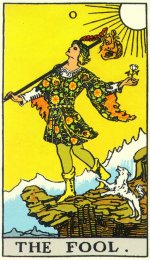
Tarot Correspondences:ย Major Arcana, the Fool.*

ย 


Neptune

Represents: Illusions. Dissolving boundaries. Submersion. Submission. Dreams. Inspiration. Mystical experiences. Fantasy. Escapism. Universal ocean of oneness. Compassion. Idealistic. Psychic receptivity. Spirituality. Subtlety. Universal love. Negative aspects can include, deception, guilt, addictions with drugs, alcohol, confusion, illusion.

Type:  Outer. Modern, Transpersonal planet. 

Orbit Cycle:  165 years.

Retrograde Cycle: Once a year. For approximately 5 months.

Rulerships: Neptune is the modern ruler of the zodiac sign Pisces. Exaltation in Cancer.

Sect: None.

Tarot Correspondences:ย Major Arcana, the Hanged Man.*

ย 


Pluto

Represents: Death and rebirth. Destruction. Renewal. Transformation and change. Power. Control. The search for truth and deep meaning. Will. Intense Passion. Ruthlessness.

Type:  Outer. Modern, Transpersonal planet. 

Orbit Cycle: 248 years.

Retrograde Cycle: Once a year. For approximately 5 months.

Rulerships:  Pluto is the modern ruler of the zodiac sign Scorpio. Exalted in Leo.

Sect: None.

Tarot Correspondences:ย Major Arcana, the Judgement/Aeon*


*Note: The Golden Dawn does not include outer planets in their tarot correspondences. The Fool, the Hanged Man, and Judgement are traditionally corresponding to Alchemical Air, Water, and Fire. The outer planets found, just so happen to have similar qualities to these Major Arcana cards and therefore, are easy to place into a modern correspondence for Tarot.

Social Planets

Social planets, Jupiter and Saturn, represent an individualโ€™s connection to the public. as well as organizations established for the forward progression of society and culture, such as governments and religions. These planets stand inbetween what is personal and what is transpersonal or otherworldly.

Jupiter

Represents: Faith. Positivism. Hope. Mercy. Goodwill. Morality. Aspirations. Optimism. Overindulgence. It indicates how oneโ€™s faith, generosity, and tolerance will be expressed and what type of activity will stimulate wisdom and self-confidence.

Day: Thursday               

Type: Benefic. Social planet.

Orbit Cycle: 12 years.

Retrograde Cycle: About every 13 months lasting for about 4 months. 

Rulerships: Jupiter rules the zodiac sign of Sagittarius and Pisces. Detriment in Gemini and Virgo. Fall in Capricorn.

Sect: Diurnal

Tarot Correspondences:ย Major Arcana, the Wheel of Fortune.ย 


Saturn

Represents: Limitations. Parameters. Structure. Commitments. Boundaries. Patience. Self-restraint. Authority figures. It indicates themes of responsibility and self-discipline, resourcefulness and conservation of material resources.

Day: Saturday                

Type: Malefic. Social planet. 

Orbit Cycle: About 29 years.

Retrograde Cycle: About every 13 months lasting for about 4 to 5 months. 

Rulerships: Saturn rules the zodiac sign of Capricorn and Aquarius. Exalted in Libra. Detriment in Cancer. Fall in Aries.

Sect: Nocturnal

Tarot Correspondences:ย Major Arcana, the World.

ย 

Inner Planets

Inner planets are planets whose orbit is within the asteroid belt. They are the closest to the sun. In astrology, they are associated with our individual concerns, personality, and identity expression.

The Sun

Represents: the Self, the Will, Intelligence, and vitality, itโ€™s how our energy shines to others. Light, consciousness, recognition, creativity, drive, libido, and influence. Sometimes the Sun can be represented as Ego and that of  the higher self.  It may also represent the father figure and/or masculinity. It energizes the House that it lands in and the planets it aspects. 

Day: Sunday

Type: Luminary. Inner and/or personal planet. 

Orbit Cycle: 365.25 days or 1 year.

Retrograde Cycle: None. The Sun always moves direct. 

Rulerships: The Sun rules the zodiac sign of Leo and is exalted in Aries. Detriment in Aquarius. Fall in Libra.

Sect: Diurnal

Tarot Correspondences:ย Major Arcana, the Sun.

ย 


The Moon

Represents: the Emotional Self, Inner feelings, and reflections. Itโ€™s how our internal energy permeates within self. The unconscious, instincts, habits and patterns, security, intuition, the nurturing aspect of ones self, and the relatability with others.

Sometimes the Moon can be represented as the soul and that of the persona. It may also represent the mother figure and/or femininity.

It also bestows its lunar phase and luminescence to the natal House that it lands in and planets that it aspects.

Day of the Week: Monday

Planet Type: Luminary. Inner and/or personal planet.

Orbit Cycle: 27.33 days or roughly 1 month.

Retrograde Cycle: None.

Rulerships: The Moon rules the zodiac sign of Cancer and is exalted in Taurus. Detriment in Capricorn. Fall in Scorpio.

Sect: Nocturnal

Tarot Correspondences: Major Arcana, The High Priestess.


Mercury

Represents: The mind, intellect, commerce, technology, and communication. Itโ€™s how we communicate to others. Thoughts, words, perceptions, rhetoric, trade, and expression.

Day: Wednesday

Type: Both Benefic or Malefic, depending on condition. Inner and/or personal planet. 

Orbit Cycle: 88 days.

Retrograde Cycle: occurs about 3 times a year for about 3 to 3 ยฝ weeks each time. 

Rulerships: Mercury rules the zodiac sign of Gemini and Virgo. Exalted in Aquarius. Detriment in Sagittarius. Fall in Pisces.

Sect: Both Diurnal and Nocturnal

Tarot Correspondences:ย Major Arcana, the Magician.

ย 


Venus

Represents: Aesthetics, arts, beauty, refinement, luxury, romance, love, affection, and sensual pleasure. How you are receptive to and comfortable with love. Sometimes referred to as the Morning Star or the Evening Star.

Day: Friday                             

Type: Benefic. Inner and/or personal planet. 

Orbit Cycle: 225 days.

Retrograde Cycle: Once per 18 months for about 6 weeks.  

Rulerships: Venus rules the zodiac sign of Taurus and Libra. Exalted in Pisces. Detriment in Aries and Scorpio. Fall in Virgo.

Sect: Nocturnal

Tarot Correspondences:ย Major Arcana, the Empress.

ย 


Mars

Represents: Outward activity and animal passions. Sexual drive, aggression, and anger. How you assert yourself. Courage and volition. What will stimulate your physical energies.How you are comfortable asserting yourself. Sometimes referred to as the Red planet.

Day: Tuesday                        

Type: Malefic. Inner and/or personal planet. 

Orbit Cycle: 685 days.

Retrograde Cycle: Once per 2 years for about 2 months.  

Rulerships: Mars rules the zodiac sign of Aries and Scorpio. Exalted in Capricorn. Detriment in Taurus and Libra. Fall in Pisces.

Sect: Nocturnal

Tarot Correspondences:ย Major Arcana, the Tower.

ย 


Planetary Bodies

Planetary bodies or celestial bodies are all of the movable objects in the heavens, mostly seen, and some unseen. In classical/traditional astrology, the visible planetary bodies are taken into account. These are typically referred to by astrologers as โ€œplanetsโ€ because they are “wanderer” among the seemingly fixed stars in the sky.

We have the Sun and Moon, which are technically luminaries (but that is just a classification). As well as Mercury, Venus, Mars, Jupiter, and Saturn. In modern astrology, the outer planets are also included, they are, Uranus, Neptune and Pluto. (Pluto has been demoted as a planet in astronomy circles but not astrology circles).

Other planetary bodies that might be loosely referred to or treated as planets would be other astrologically significant points in the heavens such as, Hermetic Lots, Lunar Nodes, and certain Asteroids such as Chiron, Eris, Vesta, and Pallas Athene.


Planetary Bodies

Planets: The Sun โ€ข Moon โ€ข Mercury โ€ข Venus โ€ข Mars โ€ข Jupiter โ€ข Saturn โ€ข Uranus โ€ข Neptune โ€ข Pluto

Points: Part of Fortune โ€ข Part of Spirit โ€ข Lunar Nodes โ€ข Black Moon Lilith โ€ข

Asteroids: Chiron โ€ข Ceres โ€ข Pallas โ€ข Juno โ€ข Vesta โ€ข Pholus โ€ข Nessus โ€ข Eris โ€ข etc.