The Houses

The houses are the areas of life and environments in which we find ourselves. Originally called ‘the places’. Environmental experiences. The ‘where’ of what is occurring. The terrain in which you navigate.

An empty house does not mean there is a lack of activity but the absence of a serious problem in that area of life. With no planets in a house there is a potential for more freedom of movement in those areas of life. Where planets land, it is more of a calling as to what needs to be worked on in this lifetime.

The houses are your anchor and your foundation when reading a chart. The planets and zodiac are in constant flux, but the houses are fixed in position. The 1st house will always be roughly at the 9 o’clock position, 7th house at the 3 o’clock position and so forth. The houses help us to navigate an astrological chart. The type of house system you use is a different story, but the foundation is the same across all astrological traditions.

Now, let’s get into what the houses or places are representative of:


1st House – House of Self/Personality

Type: Angular
Area of Life: Personal appearance, mannerisms, and disposition. Persona. The armor worn. The mask you wear. The window through which you view life. Physical body. First Impressions.

2nd House – House of Personal Resources

Type: Succedent
Area of Life: Personal property, resources, money, possessions. Peace of mind. Moral values. Self worth. Earning and spending capacity. Income. Assets.

3rd House – House of Communication

Type: Cadent
Area of Life: Ability to relate to immediate environment. What you think. Commerce. Dexterity. Short journeys. Early education. Siblings cousins, and neighbors. Writing, news, rumors, communication. Memory. Innate skill sets.

4th House – House of Home

Type: Angular
Area of Life: Home life, inner world. Hidden depths of the self. The nature of one’s residence. Maternal figures. Unconscious underpinnings of the personality. Early family life. Roots/Lineage. Domestic Life. Private Life.

5th House – House of Children

Type: Succedent
Area of Life: Self-expression. Creativity. Love affairs. Children you create (be it actual children, or art, books you write, etc.) Affections you display, anything that bears your personal stamp. Tendencies coming from the heart. House of hidden karma. Pleasure. Romance. Sex.

6th House – House of Service & Routine

Type: Cadent
Area of Life: House of work and health. Food, clothing, shelter, and domestic pets. Routine. It potrays one’s capacity to serve. Working conditions. Wellness/Illness.

7th House – House of Marriage

Type: Angular
Area of Life: The other. The not-self. Committed relationship. The ‘we’ consciousness. Parternships and marriage. Cooperation. Lower courts and Close friends. Open adversaries. Relationships.

8th House – House of Death

Type: Succedent
Area of Life: Generation, sex, death, other people’s resources, inheritances, occultism, legacies, financial conditions of the other. Debt. Taxes. Shared Resources. Psyche.

9th House – House of Long Journeys

Type: Cadent
Area of Life: Super-consciousness. Religious philosophy. Spiritual visions. Long Journeys. Expansions of horizons. House of Spirit. Worldwide contacts. higher education. In-laws. Study. Faith.

10th House – House of Career

Type: Angular
Area of Life: Prestige, honor, accolades,. Professional career, reputation. Father, Employers. Authority. Fame. Public Life. Profession.

11th House – House of Friends

Type: Succedent
Area of Life: Friends and acquaintances. Groups. Community. Goals and objectives. Social relationships. Hopes and Wishes. Good Spirit. Projects. hopes, wishes.

12th House – House of Ancestors

Type: Cadent
Area of Life: Ancestors. That which is Hidden. Self-Undoing. Initiation. Subconsciousness. Mystical experiences. Service or Suffering a choice must be made. Charity. Karma. Hospitals and institutions. Hidden enemies. Retreat. Escape. Release. Subconsciousness.


Learning Tip:

I find an easy way to learn the houses is by learning them in pairs of opposites.

1st house is the house of self, across the way is the 7th house the house of the other. Relationship with the self versus the Relationship with the other.

2nd house is house of personal resources versus 8th house of shared resources.

3rd house is short journey and rudimentary education versus 9th house long journeys and higher education.

4th house is private/domestic life and mother versus 10th house public/career life and father.

5th house is of children and creativity versus 11th house friends and commitments.

6th house is of work and routine versus 12th house of retreat and escape.

Zodiac Signs

Now we get into familiar territory, the zodiac signs. I feel like these archetypes have been beaten to death. But they are one of the staples of the astrological language. These are the lenses, the descriptors, the filters, the adjectives that describe how the planets are expressing themselves. Some planets do better expressing themselves in certain signs and not as well in others, this is the concept of essential dignities.

The stories and myths have always been with the stars. Zodiac signs are based off the star constellations, more or less, and thus astrologer’s noticed how a planet expresses itself moving through that part of the sky. Think of the planet as a performer on stage, the zodiac sign would then be the backdrop of the stage, providing an ambiance to the performance. For example, Venus is in detriment in the sign of Aries. If Venus is all about love and harmony, you may sense pastel colors, the smell of roses or baked goods when you think of her. But in a sign like Aries, Venus would have a hard time sending her message accordingly, especially if she is dress like Xena the warrior princess and the backdrop looks like the aftermath of a Spartan battle. Venus is still innately Venus, but the demeanor shifts a bit.

Syntax: The planets are always in the sign. Mercury is in Aries. Because we have the function/noun (planet) in expression (sign). For example, Mercury (intellect) in Aries (fiery and forceful). Thus an astrology article may say, “Today, your ideas (Mercury) are firing on all cylinders (Aries), go for it”.

Now that we have that out the way, let’s get into a quick cookbook-look at some general descriptors for the signs. Negative, neutral, and positive qualities will be provided. This is not an extensive listโ€” just a word drop soup of typical keywords. This is just a jumping off point, a reference. Remember, you are not just your Sun sign, you are so much deeper!


Aries โ€“ The Ram

General Descriptors: Thrust of Life. Utilitarian. Libertarian. Honest. Direct. Vigor. Gusto. Ventures. Pioneering. Leader. Functions well in crisis. Enjoys a challenge. Impulsive. Violent. Insensitive. Selfish. Prone to rage. Impatient. Hard-headed. No lack of effort. Ambition. Pantomime. Skeptic.

Keyword: I AM
Body Part: The head
Planetary ruler: Mars
Modality: Cardinal
Element: Fire
Nature: Assertive

Related Tarot Cards: The Emperor, Queen of Wands, 2 of wands, 3 of wands, & 4 of wands.


Taurus โ€“ The Bull

General Descriptors: Sensuous. Patient. Steady. Charming, Earnest. Steadfast. Naturalist. Resourceful. Generous. Contemplative. Common sense. Loyalty. Practical. Preserves tradition. Materialist. “Sees red”. Tunnel vision. Rigidity. Procrastination. Dogmatic. Poetic. Feels the Music. Spectator. Fruitfulness.

Keyword: I HAVE
Body Part: Throat
Planetary ruler: Venus
Modality: Fixed
Element: Earth
Nature: Receptive
Related Tarot Cards: Hierophant, King/Prince of Pentacles, 5 of pentacles,6 of pentacles, & 7 of pentacles.


Gemini โ€“ The Twins

General Descriptors: Communication. Quick. Witty. Language Lovers. Skills with words. Logical. Duality. Inquisitive. Cunning. Versatile. Intelligent. Multitask. Exchange. Alertness. Quick-sharp thinking. Disorganized. Inconsistent. Chattering. Scatter-brain. Stress. Anxiety. Nervousness. Overthinking. Restlessness. Articulate.

Keyword: I THINK
Body Part: Nervous system, hands, shoulders, lungs
Planetary ruler: Mercury
Modality: Mutable
Element: Air
Nature: Neutral
Related Tarot Cards: Lovers, Knight of Swords, 8 of swords, 9 of swords, & 10 of swords.


Cancer โ€“ The Crab

General Descriptors: Protective. Nurturing. Home-loving. Connection. Compassion. Wears heart on sleeve. Empathy. Intuitive. Graspy or Clingy. Eagerness. Suspicious. Caretakers. Apathy. Sense of invisibility. Persuasive. Stays within comfort zone. Cautious. Sympathic. Moody. Emotional.

Keyword: I FEEL
Body Part: Breasts and stomach
Planetary ruler: Moon
Modality: Cardinal
Element: Water
Nature: Receptive
Related Tarot Cards: Chariot, Queen of Cups, 2 of cups, 3 of cups, & 4 of cups.


Leo โ€“ The Lion

General Descriptors: Inspiring. Dramatic. Creative. Courageous. Prideful. Cheerful. Out-going. Stage presence. Over-dramatic. Over-bearing. Can put on a show. Benevolent disposition. Warm-hearted. Enthusiastic. Faithful. Pompous. Patronizing. Interfering. Broad-minded. Dynamic.

Keyword: I WILL
Body Part: The Heart
Planetary ruler: Sun
Modality: Fixed
Element: Fire
Nature: Assertive
Related Tarot Cards: Strength, King/Prince of wands, 5 of wands, 6 of wands, & 7 of wands.


Virgo โ€“ The Virgin

General Descriptors: Analytical. Discriminating. Capable. Clarity. Reason. Self-discipline. Tunnel-vision. Criticism. Fussy. Detail-oriented. Statisticians. Calculating. Purity motifs. Hygiene consciousness. Modest. Meticulous. Diligent. Over-critical. Conservative. Reliable. Carping.

Keyword: I ANALYZE
Body Part: Intestines
Planetary ruler: Mercury
Modality: Mutable
Element: Earth
Nature: Receptive
Related Tarot Cards: The Hermit, Knight of pentacles, 8 of pentacles ,9 of pentacles , and 10 of pentacles.


Libra – The Scales

General Descriptors: Refined. Persuasive. Diplomatic. Romantic. Charming. Easy-going. Idealistic. Peaceable. Gullible. Flirtatious. Harmoniously. Resentful. Sympathetic. Co-dependency. Insincerity. Indecisiveness. Truce. Fairness.

Keyword: WE BALANCE
Body Part: Kidneys
Planetary ruler: Venus
Modality: Cardinal
Element: Air
Nature: Assertive
Related Tarot Cards: Justice, Queen of swords, 2 of swords, 3 of swords, & 4 of swords.


Scorpio – The Scorpion


General Descriptors: Doers. Realistic. Fearless. Probing, Perceptive. Intense. Hidden Motives. Impatient. Synthesis. Magnetic. Compulsive. Secretive. Obstinate. Passionate. Jealous. Penetrating. Emotional Intelligence. Transformative.

Keyword: I CREATE
Body Part: Reproductive organs
Planetary ruler: Mars (classic), Pluto (modern)
Modality: Fixed
Element: Water
Nature: Receptive
Related Tarot Cards: Death, King/Prince of cups, 5 of cups ,6 of cups ,7 of cups.


Sagittarius โ€“ The Archer


General Descriptors: Philosophical. Adventurous. Scholarly. Social Climber. Freedom-loving. Jovial. Honest. Optimistic. Careless. Irresponsible. Tactless. Offhandedly. Exploratory. Travel. Alchemy. Ambitious. Friendly. Tempering. Precision.

Keyword: I PERCEIVE or I SEEK
Body Part: Hips and Thighs
Planetary ruler: Jupiter
Modality: Mutable
Element: Fire
Nature: Assertive
Related Tarot Cards: Temperance/Art, Knight of wands, 8 of wands, 9 of wands, & 10 of wands.


Capricorn – The Goat


General Descriptors: Ambitious. Resourceful. Pragmatic. Blase’. Boldness. Compensatory. Persistent. Prudent. Disciplined. Patient. Careful. Reserved. Humorous. Pessimistic. Fatalistic. Miserly. Grudging. Over-conventional. Rigid. Aspiring. Calculating. Power.

Keyword: I USE
Body Part: Knees and bone structure of the body
Planetary ruler: Saturn
Modality: Cardinal
Element: Earth
Nature: Receptive
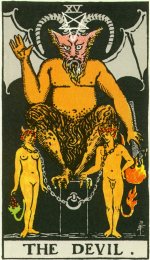
Related Tarot Cards: Devil, Queen of Pentacles, 2 of pentacles, 3 of pentacles, & 4 of pentacles.


Aquarius – Airwaves


General Descriptors: Friendly. Unconventional. Humanitarian. Honest. Loyal. Original. Inventive. Intellectual. Contrary. Perverse. Unpredictable. Detached. Independent. Hopeful. Revolutionary.

Keyword: I KNOW
Body Part: Ankles and Circulation in the body
Planetary ruler: Saturn (classic), Uranus (modern)
Modality: Fixed
Element: Air
Nature: Assertive
Related Tarot Cards: Star, King/Prince of swords, 5 of swords, 6 of swords, & 7 of swords.


Pisces โ€“ The Fishes

General Descriptors: Artistic. Intuitive. Compassionate. Idealist. Visionaries. Romantics. Dreamers. Empathetic. Sensitive. Imaginative. Kind. Selfless. Unworldly. Sympathetic. Secretive. Vague. Impressionable. Nebulously. Deceitfully. Faith. Mystical.

Keyword: I BELIEVE
Body Part: the Feet
Planetary ruler: Jupiter (classic), Neptune (modern)
Modality: Mutable
Element: Water
Nature: Receptive
Related Tarot Cards: The Moon, Knight of cups, 8 of cups, 9 of cups, & 10 of cups.


Top 9 Astrology Books for Beginners

I have had a lot of people ask me where to start if they want to get into astrology. I canโ€™t even recall how many times I have recommended the same books. They arenโ€™t in any particular order because they are all very well done. Even as a practicing astrologer, I will still reference these. I feel they all provide a firm foundation of information along with a bit of guidance and activities to apply, process, and retain the information.

Astrology: A Cosmic Science

Author: Isabel Hickey. This is a solid reference book. She covers all the basics, planets, signs, symbols, zodiac, houses, aspects, etc. She includes a table for essential dignities- to tell the strength or weakness of a planetary placement. She also has interpretations/delineations for planets-in-sign, planets-in-house, and aspects.  She briefly touches on birth chart calculations, transits, and progressions. I mean she even writes about decanates. Overall, a great place to get a taste of the astrological landscape. Availability: Paperback, Kindle (e-Book)


The Inner Sky

Author: Steven Forrest. Learning astrology is like learning another language. This book takes you on journey on the syntax of astrology. This is NOT a boring or dry read, but it is a relatively easy entry point towards understanding. I find it packs a punch, he has a way of simplifying the basics and guides the way to constructing your own astrological sentences. It is well structured and methodical without being dense. How do astrologers create their interpretations/delineations? Planets in signs and houses. Aspects, rulerships (essential dignities), and the moonโ€™s nodes. This book explains it, mystery solved! Availability: Paperback, Kindle (e-Book)


The Essential Guide to Practical Astrology

Author: April Elliott Kent. This book has a delightful modern voice. She has a simple and fun way of expanding on the basics and introduces you to additional concepts that might feel โ€œover your headโ€. In addition to the traditional basics, she touches on concepts such as house systems, asteroids, non-planets, orbs, and retrogrades. There are guidelines for making daily, monthly, yearly, and long-range planners to apply to your personal goals. She covers astrological syntax, transits, solar arc progressions, and much more. This book really does have the essentials and is practical for applying the information. Availability: Paperback, Kindle (e-Book)


Astrology for Yourself

Authors: Douglas Bloch and Demetra George. This is an introduction to astrology via workbook style. This book will help you to understand your natal chart. If you are ready to put in the work, this is an excellent starting point. They provide a step-by-step approach and assist you with creating your own interpretations. There is space to journal in for your reflections and insights, so you may prefer the physical copy. Availability: Paperback, Kindle (e-Book)


Astrology and the Authentic Self

Author: Demetra George. After you are comfortable with the syntax and knowledge of the basics. This book will introduce you to her techniques and model approach. She outlines traditional astrology guidelines while approaching it in a modern way. It covers concepts such as determining the condition of a planet, relationships, vocation, and secondary progression. There is a section on how to delivery the information in a professional and concise way via astrological counseling. My copy of this book well worn. Availability: Paperback, Kindle (e-Book)


The American Ephemeris

Authors: Neil F. Michelsen and Rique Pottenger Reference book. While there are plenty of online or digital ephermisโ€™ available. There is something so intimate about looking through and working with a physical copy. This is a book of tables, that show you where the the planets are each day, and at what degree. This includes information for eclipses, new moon, and full moon. If you want to know your astrological weather, this is youโ€™re number one resource! Availability: Paperback Only


Hellenistic Astrology: The Study of Fate and Fortune

Author: Chris Brennan. This book is a great introduction to the practice and philosophy of Hellenistic astrology. He provides techniques with a very clear and concise structure to take in and apply. There are a lot of footnotes and resources to which I appreciate because you can always dig deeper yourself. There are basic, intermediary, and advanced techniques presented in this book such as, annual profections and zodiacal releasing. This is definitely a good one to add to your personal library. While the book is large, it is an essential for those who want to understand some astrological history. Availability: Paperback Only


Planets in Transit

Author: Robert Hand. This is a solid reference book in regards to planetary transits. Some might call it the ‘transit bible’. It is comprehensive catalog of delineations or interpretations of all major transits. All of the planets in addition to the midheaven, ascendant, and houses. There are 720 of them in total. Both professionals and beginners can get loads of use out of this book and can assist with unfolding transits to your natal chart. Again, my copy is well worn. Availability: Paperback only.


Parkers’ Astrology

Authors: Julia Parker and Derek Parker. This book is a whomper. Itโ€™s really big so but it contains all the things that you need to know to cast the chart by hand if you wanted to. This is an older book so this was prior to the boom of the Internet, but it is colorful. Nevertheless, its wisdom is still needed. I primarily enjoy this book for the modern techniques it provides such as harmonics, midpoints, natal interpretation, synastry, composite, location astrology, etc. It basically gives you a range of astrological techniques to study and experiment with. Still want to cast charts when there is no internet? Then this is your tome. Itโ€™s definitely a classic and one for the resource library. Availability: Hardback, Paperback


Closing Remarks

So these are the top 9 astrology books, I tend to recommend over and over again. Most of them you can find on Amazon. If you were to keep a small library of books- all of these should be on your bookshelf. Astrology books should not be a one time reading but a source of references you can can look to for clarification when you are working on something or want to get into new territory. I warn you now these are the gateway books to the life-long-ever-lovin’ study of astrology.

BONUS: I MUST mention, if youโ€™re someone who would be interested in psychological astrology, read any and everything you can get your hands on written by Liz Greene. Her “Seminars in Psychological Astrology” series is a great place to start. She utilizes psychological concepts through a lens of mythology. Content you can really sink your teeth into and chew on. She is also the author of the Mythic Tarot guidebook, to boot!

If there are any comments, questions, or suggestions that you would like to add, let me know in the comments section!

Major Aspects

The concept of Aspects is the angular relationship between planetary bodies and/or sensitive points. This can be likened to harmonic vibrations as thus applied in musical constructs. If you are familiar with music you will know that some notes work together to make a pleasant sound and other notes together will clash. The concept of consonance in music. Aspects in astrology essential let us know how the energies are working or not working with each other. Aspects are what activate the planets.

There is also the need here to mention the term ‘orb’. Each planet or point on a chart will land at a specific degree. An orb is when there is an allowance of a small range of degrees, to allow the planets to connect for an aspect. For example, lets say Mars is at 4 degrees Aries and Venus is at 7 degrees Libra, they will be in an opposition aspect with a 3 degree orb. It is not an exact opposition but its close enough that there will still be a relationship with those two planets.

The amount of ‘orb’ used varies from astrologer to astrologer. I personally use a tight orb, typically about 3-5 degrees. It keeps things neat, tidy, and focused. I will make exceptions on occasion depending on how a chart unfolds.

Now let’s get into the different major aspects, shall we.

Conjunction – 0 degrees

The conjunction (0 degrees) indicates the planetary bodies or sensitive points occupy the same space, approximately. This is a blend of energies, a sense of oneness, togetherness, or kinship represented by planets. Harmonically, this would indicate a unison of the planetary frequencies/energies. A stellium would be a conjunction of 3 or more planets or points.


Sextile – 60 degrees

Sextile (60 degrees) indicates the planetary bodies and/or sensitive points are 60 degrees apart. This is a flowing of energies allowing the way for a new unfoldment of opportunity, connections, and possibilities. Harmonically, this would indicate a major second/minor seventh of the planetary frequencies/energies.


Square – 90 degrees

Square (90 degrees) indicates the planetary bodies and/or sensitive points are 90 degrees apart. This is a conflict of energies, a type of tension is presented, which paves the way for rewards with effort over time. This is a dynamic or difficult aspect. Creative crisis or being actively challenged. Harmonically, this would indicate a major sixth/minor third of the planetary frequencies/energies.


Trine – 120 degrees

Trine (120 degrees) indicates the planetary bodies and/or sensitive points are 120 degrees apart. This is a harmonious flow of energies allowing the way for beneficial connections. Think of a mediator coming in and there conflict resolution occurring. Harmonically, this would indicate a major third/minor sixth of the planetary frequencies/energies.


Opposition – 180 degrees

The Opposition (180 degrees) indicates the planetary bodies and/or sensitive points are 180 degrees apart. The planets are on opposite sides of the zodiac. The dualism of opposing forces. This is a polarization of energies and integration is the challenge. This is a dynamic or difficult aspect. Harmonically, this would indicate a tritone of the planetary frequencies/energies.


Sensitive Points in Astrology

Sensitive point in astrology act like planetary bodies but the difference here is they have no physical manifestation. Planetary bodies occupies space and has mass, energy, orbit, and influence. These sensitive intersection point do not have any of that- in the physical sense. Typically, these points represent intersection points in space, based on the ecliptic, orbital factors, or other techniques applied to the planetary bodies. They are key areas on the chart and are just as important as the other planetary bodies. For example, the degree of the native’s ascendant, would be a sensitive point to look for throughout the rest of the natal chart.

Cardinal Cross Points

Ascendant (ASC)

or

Also known as the native’s โ€œRising Signโ€. The Ascendant is the point in the sky where the horizon pointed to, at a specific time in a specific location. That is to say, the zodiac sign that was rising on the eastern horizon at your time of birth is your Ascendant. In a chart the ascendant signifies, physical qualities and features of the native. The persona the native exudes. How an individual may come across to others. The beginnings of the person, core forces, and qualities that share the individual. It is โ€œwho I amโ€ side of the ASC-DSC axis.

Descendant (DSC)

Descendant point is opposite the Ascendant point. The zodiac sign that was setting on the western horizon at your time of birth is your Descendant. In a chart, it represents how the native deals with others – friends, foe, lovers, and business partners. How you relate to “the other”.


Midheaven (M.C.)

In Latin, Medium Coeli (M.C.) translates to โ€œmiddle of the skyโ€; also called the mid-heaven. The part of the ecliptic that is at its highest point above the horizon at the time of the nativeโ€™s birth, midway between the ascension and descension points. In a chart, it signifies and indicates career, status, aim in life, aspirations, public reputation, and life goals. Goals can also be of spiritual and personal nature, but essentially, it is what the native does in the world.

Nadir (I.C.)

In Latin, Imum Coeli (I.C.) translates to โ€œbottom of the skyโ€; also called the nadir. It symbolizes personal midnight, the root of the personality, and the forces that shaped the native early in life.


Lunar Nodes

Lunar Nodes are the points where the Moonโ€™s orbital path crosses the plane of the ecliptic. If a planet is in conjunction to a lunar node this is where your natal eclipse is– particularly the Moon, if it is within a 3 degree orb.

In Evolutionary Astrology, the lunar nodes, in essence, indicate your soul’s last location and your next destination. This refers to the concept of reincarnation and would be helpful with understanding a philosophy of these energies. The remnant energies of where you came from, the last incarnation just before this one (the south node) and the remnant energies of where you are heading, the next incarnation or destiny (north node).

North Node – Rahu

Ascending node, the โ€œhead of the dragonโ€ is the point in space where the moon orbits intersects the earth’s orbit โ€œfrom belowโ€. In a chart, the Node Node represents future and destiny toward which the native is moving. Spiritual development and culmination. Where unconsciousness substance can be recovered in the conscious.

South Node – Ketu

Descending node or the โ€œtail of the dragonโ€ is the point in space where the moon orbit intersects the earth orbit โ€œfrom aboveโ€. The South Node represents past experiences gained from past lives, that somehow shapes today a.k.a. Karma. Spiritual separation. Where consciousness fades into the unconscious.


Arabic Parts or Greek Lots

Sensitive points that are based upon the position of the natal planets and the ascendant. Generally speaking, the ‘lots’ or ‘parts’ helps the cosmic soul see, how a relationship formed in the heavens, applies to the native- an analogy of sorts. It is important to be aware if the natal chart is diurnal or nocturnal as this will change the formula to calculate the ‘parts’. They are used as a secondary dialogue for the nativeโ€™s story in a natal chart.

There are Seven Hermetic Lots – Lot of Fortune, Lot of Spirit, Lot of Necessity, Lots of Eros, Lot of Courage, Lot of Victory, and Lot of Nemesis. Essentially, to cover all of the traditional seven planets. Lastly, there are many ‘parts’ far beyond the scope of this post. I will touch on two, the part of fortune and the part of spirit.

Part of Fortune (P.O.F.)

In Latin, Pars Fortuna, is one of the only Arabic Parts still commonly used in modern astrology. It indicates the area of life that is fortunate for the native. The house in which the Part of Fortune is placed indicates an area of your life that is likely to be successful, where the application of your skills will bear fruit. It is where you will find good luck and happiness. I also like to think of this as “X marks the spot” as if we are looking for treasure on a map. In Hellenistic astrology, it is primarily associated with the body, reputation, and privilege.

How to calculate the Lot of Fortune:

  • [Day chart] Fortune = Ascendant + Moon – Sun
  • [Night chart] Fortune = Ascendant + Sun – Moon.

Part of Spirit

Used less often than Part of Fortune, the Part of Spirit is how the native experiences spiritual connections and their spirituality. The essence of the soul and its Will being directed into the world. It can show intention, power, and career. Additionally, it can sometimes provide an idea of what types of spiritual or psychosomatic illnesses the native may be naturally prone to. Perhaps in modern day, it can even be used as a point of reference to the nature of the guardian spirits that walk with you. In Hellenistic astrology, however, it is primarily associated with the soul and intellect.

How to calculate the Lot of Spirit (LoS)

  • LoS = ASC + Sun – Moon (Day Births)
  • LoS = ASC + Moon – Sun (Night Births)


The aforementioned are the most commonly recognized sensitive points in astrology, used across various astrological traditions.

Minor Planetary Bodies – Asteroids

Asteroids

Larger asteroids will sometimes be referred to as โ€˜planetoidsโ€™. They are composed of mineral and rock. Asteroids are different from meteors as asteroids have a diameter greater than one meter. There are over 21,000 named asteroids. The main asteroids used in astrology are the first four that were discovered, Ceres, Pallas, Juno, and Vesta. Traditionally, only Venus and the Moon represent โ€˜femininityโ€™. In modern astrology, these asteroids presented a way to add the feminine balance into traditional astrological dialogue– that is to level out the playing field in terms of assertive and passive energies when reading a chart.

Ceres

Represents: The process of nurturing and motherhood. The ability to take on parental responsibility. Also a close relationship to earth as a gardener or grower of food. Where it is placed in the chart can indicate the way parenthood manifests in the life of the individual. It can also represent a sense of being nurtured and potential issues to that end. It is also oneโ€™s relationship to abundance and fertility.

  • Discovered: January, 1, 1801
  • Designation: 1 Ceres
  • Type:  Asteroid/Dwarf planet.  
  • Orbit Cycle: 4.6 years
  • Retrograde Cycle: ???*
  • Tarot Correspondences: N/A

Pallas

Represents: Pallas short for “Pallas Athene”, is the Wisdom of the female spirit. Independence, creative intelligence, and strategic war. Strong warrior spirit. Creative use of mental faculty in combo with ageless wisdom. Involved with the arts such as pottery, sculptures, and medicinal remedies. Its position in the chart indicates where the divine spark of creative intelligence and higher wisdom may spring forth. It can also represent the complexities of a child-parent relationship.

  • Discovered: March 28, 1802
  • Designation: 2 Pallas
  • Type:  Asteroid.  
  • Orbit Cycle:  4.6 years.
  • Retrograde Cycle: ???*
  • Tarot Correspondences: N/A

Juno

Represents: The partnering of intimate relationships. This can include partnerships in both love and business.  Its position in the chart indicates where one needs to deal with issues that may arise. Such as issues of boundaries, sharing versus holding back, bitterness and jealousy, and/or projected control or authority onto another. The representational need of bringing the relationship into a new light and intimacy needs in general.

  • Discovered: September 1, 1804
  • Designation: 3 Juno
  • Type:  Asteroid.  
  • Orbit Cycle: 4.37 years
  • Retrograde Cycle: ???*
  • Tarot Correspondences: N/A

Vesta

Represents: Hearth/Sacred fire. Sacred union. Concerning issues of sexuality and completeness unto oneself. Associations with person’s who choose not to mate, to take on a higher purpose than normal family life. Where this is located in the chart there may be issues of purity, singleness, and sexuality by either abstinence or by involving one’s self with multiple partners which yet leave the individual untouched by the relationship. The principle of devotion and dedication.  

  • Discovered: March 29, 1807
  • Designation: 4 Vesta
  • Type:  Asteroid.  
  • Orbit Cycle: 3.6 years
  • Retrograde Cycle: ???*
  • Tarot Correspondences: N/A

Additional Asteroids:

These asteroids are listed here because they are part of the first 10 asteroid discovered. I have heard of Astraea but the others I have just discovered myself for the first time in. So in terms of astrological significance I am not yet sure of their function. Meaning, I personally haven’t studied them well enough to expand further than I have here at this time.

  • (5) Astraea – Discovered on December 8, 1845
  • (6) Hebe – Discovered on July 1, 1847
  • (7) Iris – Discovered on August 13, 1847
  • (8) Flora – Discovered on October 18, 1847
  • (9) Metis – Discovered on April 25, 1848

Hygiea

Is a symbol for health, cleanliness and sanitation. Awareness of importance and fitness. Careful choice of diet, looking after the integrity of the body and its organs. Stability and sustainability, for the individual.

  • Discovered: April 12, 1849
  • Designation: 10 Hygiea (10th asteroid discovered)
  • Type:  Asteroid.  
  • Orbit Cycle: 5.6 years
  • Retrograde Cycle: ???*
  • Tarot Correspondences: N/A

Lilith

Symbolizes human potential. The polarity between one being gifted and the manifestation or incarnation of the gift in the physical reality. Natural talents. Rebellion. Authentic self-expression. Eternal youthful drive within oneself. (Not to be confused with the lunar apogee named โ€œBlack Moon Lilith” , “Dark Moon Lilith “, or “True Black or Oscillating Lilith “, which are not asteroids or but theoretical points).

  • Discovered: February 11, 1927
  • Designation: 1181 Lilith
  • Type:  Asteroid.  
  • Orbit Cycle:  4.35 years.
  • Retrograde Cycle:???*
  • Tarot Correspondences: N/A

Icarus

Icarus is closer to the Sun than Mercury. Symbolizes conflict between individuality and arrogance. Originality and ambition that has the potential to take one far โ€“ versus blind pursuit of extremes that results in a certain downfall.

  • Discovered: June 27, 1949
  • Designation: 1566 Icarus
  • Type:  Asteroid.  
  • Orbit Cycle: 409 days or 1.12 years.
  • Retrograde Cycle: ???*
  • Tarot Correspondences: N/A

Eris

or

NASA initially described it as the solar systemโ€™s 10th planet. The 2nd largest dwarf planet/plutoid.

Represents: Struggles against injustice and oppression. Defending the weak and standing up for one’s self. The underdog warrior. Speaking truth to power, with the willingness to resort to violence if necessary. The struggle for survival. Where this is located in your chart there is the capability to make powerful and perhaps a ruthless stand for yourself and to battle against all odds.

  • Discovered: January 5, 2005
  • Designation: 136199 Eris Dwarf Planet
  • Type:  Asteroid/Dwarf Planet/TNO*.  
  • Orbit Cycle:  558.04 years.
  • Retrograde Cycle: ???*
  • Tarot Correspondences: N/A

*Retrograde cycles: I need to conduct further research to check the retrograde cycles of the minor planetary bodies. Updates will be provided at a later time.  

*TNO = Trans-Neptunian Object

Minor Planetary Bodies – Centaurs

Centaurs

Centaurs differentiate from other asteroids because they characteristically behave as a mix between a comet and an asteroid. Comets are composed of dust and ice. Thus, a mythological association was made with Centaurs who were half human and half horse. Centaurs have unstable orbits compared to other celestial bodies making them unique. Their orbits links between one planetary realm and the next. Apparently, there is estimated to be roughly 44,000 centaurs in our solar system.

Chiron

Known as the “Wounded Healer”. Where Chiron is located in the chart reveals where one has been wounded and where healing is needed. From our own wounds we learn compassion for others through our own suffering, thus instilling ancient wisdom from a unique vantage point. To experience spiritual connection. Where we have a talent for and access to ancient wisdom. Chiron is the bridge between traditional planets and trans-Saturnian planetary bodies.

  • Discovered:  November 1, 1977
  • Designation: 2060 Chiron minor planet
  • Type: Asteroid/Centaur
  • Orbit Cycle:  50.42 years.
  • Retrograde Cycle: Once a year. For approximately 5 months.
  • Tarot Correspondences: N/A

Pholus

Represents: Likely will indicate where we have been wounded and where we struggle with our addictions which are one way of masking over the wound until we are ready to delve into and begin resolving the contractions of our inner world.

  • Discovered: January 2, 1992
  • Designation: 5145 Pholus
  • Type:  Asteroid/Centaur.  
  • Orbit Cycle:  91.85 years.
  • Retrograde Cycle: ???*
  • Tarot Correspondences: N/A

Nessus

Represents: Revenge and painful transformation . The difficult transition between decisions and responsibility that may lead to death or violent change. Position in the chart may indicate where we may need to understand our darker side and where old wounds can come up for healing and renewal.

  • Discovered: April 26, 1993
  • Designation: 7066 Nessus
  • Type:  Asteroid/Centaur.  
  • Orbit Cycle:  122 1/2 years
  • Retrograde Cycle: ???*
  • Tarot Correspondences: N/A

Chariklo

The largest of the centaurs. 

Represents: Conceptualization of that which is beyond the natural world. Where there is a potential for an individuals turn toward the mystical and who are able to experience the numinous unknown more readily. Place in the chart may represent a place of wisdom that transcends the boundaries of the natural world, a place where you must close your eyes to โ€˜seeโ€™. The seer. Questioning perceived reality.

  • Discovered: February, 15, 1997
  • Designation: 10199 Chariklo
  • Type: Asteroid/Centaur
  • Orbit Cycle:  63 years.
  • Retrograde Cycle: ???*
  • Tarot Correspondences: N/A

*Retrograde cycles: I need to conduct further research to check the retrograde cycles of the minor planetary bodies. Updates will be provided at a later time.  

Tropical Versus Sidereal Zodiac (Astro Journal #1)

As I have been on this astrological journey, I have found that my framework is solid but I could not quite put my finger on what kind of astrologer I am. Something felt off. So during this line of self questioning, I have decided that I am going to pursue and continue to write on this blog as an online metaphysical journal of sorts.

You see, I have been approached by many to assist them with understanding some concepts regarding, spirituality, astrology, tarot, and divination. This blog is in part, my attempt to have this information available to all of you lovelies (you know who you are). In addition to having a place for self-expression and to share my journey.

I have had requests to write horoscopes time and againโ€” andโ€” while I have always wanted to, something felt off, call it a hunch or intuition. I could never stick to it because I didnโ€™t feel satisfied… that is until yesterday. I fell into a sidereal-sized wormhole, which has me intrigued and excited…

Backstory

I suppose I fell into a Western Tropical traditional/evolutionary astrologer role. It seemed like an easy and natural default. I do account for modern planets and Chiron. In recent years, Hellenistic and Renaissance astrology have peaked my interest as well (which are types of traditional astrology). I enjoy systems and techniques. So, with all that interest, comes a ton of history and reading.

Anyhow, In Western Astrology most people use the Tropical Zodiac, this is to say the Aries point or starting point of the zodiac, starts on the Vernal (Spring) Equinox of the northern hemisphere. This bases the modality of each zodiac sign to be in alignment with the seasons.

  • Cardinal Fire = Aries = The beginning or inrush of Spring
  • Fixed Earth = Taurus = The middle or sustaining of Spring
  • Mutable Air = Gemini = The end or releasing of Spring

In the beginning, or rather with the ancient astrologers, this was in alignment with the seasons and the constellations. This has shift over the centuries, however, as this methodology does not account for precession. So, nowadays to experience the inrush of Spring on the Vernal Equinox is rare depending where you live in the Northern Hemisphere. Do not even get me started about how this doesn’t even begin to match up with the Southern Hemisphere seasons at all.

The Sidereal Zodiac accounts for precession and is more inline with the fixed stars of the constellations while maintaining 30 degrees per sign. This resonates with me so much more than basing the zodiacs on the Vernal Equinox. I mean, astrology is a pseudoscience with its basis on ancient astronomical data. If we are incorporating modern astronomical data and implementing new planetary bodies such as asteroids into our chart interpretations; then I feel, we should also account for the precession of the equinoxes and the current status of the heavenly sky.

Way back in the olden days, Western and Eastern Astrology were more more in sync with each other but over the centuries this has shifted because of precession. The ancient astrologers were also astronomers.To feel the ingress of spring during the vernal equinox made sense to assign Aries this cardinal rush of heat and fire way back whence. Thankfully, the attributes of the zodiac signs doesnโ€™t change now. What changes is simply, where the signs are located when casting a chart. So, If I am to keep in line with this tradition then I must explore and experiment with the Sidereal Zodiac. It seems fitting.

…Then I find out there is such thing as Western Sidereal Astrology! Woohoo! I can still use my preexisting knowledge and techniques and I don’t have to throw away everything I have ever learned. Phew! And there are additional things I can apply to my delineations and such as Nakshatras (lunar mansions) and Fixed Stars. Which have historically significance in the East in tandem with spirituality. I found this in three part in-depth article about Western Sidereal Astrology, if you are interested you can read about it here.

Golden Dawn

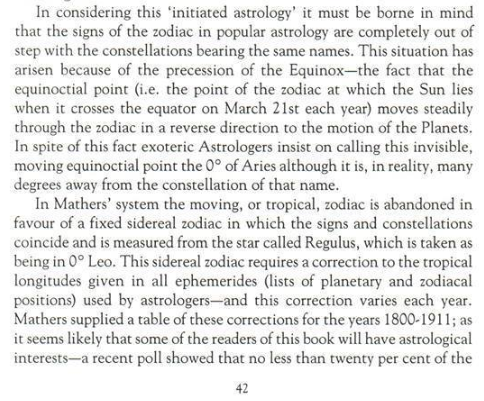
Tarot peeps, did you know that Mathers favored a fixed sidereal zodiac? Neither did I until just recently. So, it surprises me that Sidereal is not more popular with western astrological practices. This is not what made me make the switch over but it seems more like a confirmation from the universe. More text and info about this can be found in the book called, “The Astrology of the Golden Dawn (Golden Dawn Studies #10)” by J.W. Brodie-Innes.

Excerpt of The Astrology of the Golden Dawn by J.W. Brodie-Innes

Final Note

Okay, sidereal, you have me hooked so far. I feel like I am being pulled home learning about this ONE thing. A foundation has been laid and I intend on building on it. Of all the divination systems, astrology is the oldest and most complex. There is a combination of logic and intuition that need to be applied. Finding that sweet spot is no easy feat as it is a process of incessant study and application. But once you find what calls to you, makes sense to you, and works for you… run with it.

While I am no master, Western Sidereal Astrology is calling to me. Which means, I have the pleasure and duty of recasting every single natal chart I have ever done and putting in the work. I am ready and highly excited to see what insights I gather from this new perspective.

Outer Planets

Outer planets are also known as modern planets and transpersonal planets. They are planets cannot be seen by the naked eye. Additionally, they are not known or used in classical astrology techniques. These planets move so slowly they are kin to expressing generational trends. They represent higher consciousness and transcending the material world.

Uranus

Represents: The urge for change, freedom, revolution, and shaking things up, the sudden and the unexpected. It is how we think outside of the box- innovation, a rush of electricity and technology. Originality and freedom from conventional thinking. 

Type:  Outer. Modern, Transpersonal planet. 

Orbit Cycle:  84 years.

Retrograde Cycle: Once a year. For approximately 5 months.

Rulerships: Uranus is the modern ruler of the zodiac sign of Aquarius. Exalted in Scorpio.

Sect: None.

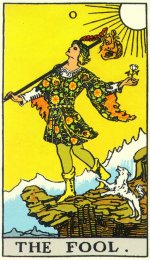
Tarot Correspondences:ย Major Arcana, the Fool.*

ย 


Neptune

Represents: Illusions. Dissolving boundaries. Submersion. Submission. Dreams. Inspiration. Mystical experiences. Fantasy. Escapism. Universal ocean of oneness. Compassion. Idealistic. Psychic receptivity. Spirituality. Subtlety. Universal love. Negative aspects can include, deception, guilt, addictions with drugs, alcohol, confusion, illusion.

Type:  Outer. Modern, Transpersonal planet. 

Orbit Cycle:  165 years.

Retrograde Cycle: Once a year. For approximately 5 months.

Rulerships: Neptune is the modern ruler of the zodiac sign Pisces. Exaltation in Cancer.

Sect: None.

Tarot Correspondences:ย Major Arcana, the Hanged Man.*

ย 


Pluto

Represents: Death and rebirth. Destruction. Renewal. Transformation and change. Power. Control. The search for truth and deep meaning. Will. Intense Passion. Ruthlessness.

Type:  Outer. Modern, Transpersonal planet. 

Orbit Cycle: 248 years.

Retrograde Cycle: Once a year. For approximately 5 months.

Rulerships:  Pluto is the modern ruler of the zodiac sign Scorpio. Exalted in Leo.

Sect: None.

Tarot Correspondences:ย Major Arcana, the Judgement/Aeon*


*Note: The Golden Dawn does not include outer planets in their tarot correspondences. The Fool, the Hanged Man, and Judgement are traditionally corresponding to Alchemical Air, Water, and Fire. The outer planets found, just so happen to have similar qualities to these Major Arcana cards and therefore, are easy to place into a modern correspondence for Tarot.